Home Window Tinting: Benefits, Types, and Expert Tips
Discover the benefits, types, and expert tips for home window tinting to enhance comfort, privacy, and energy efficiency.
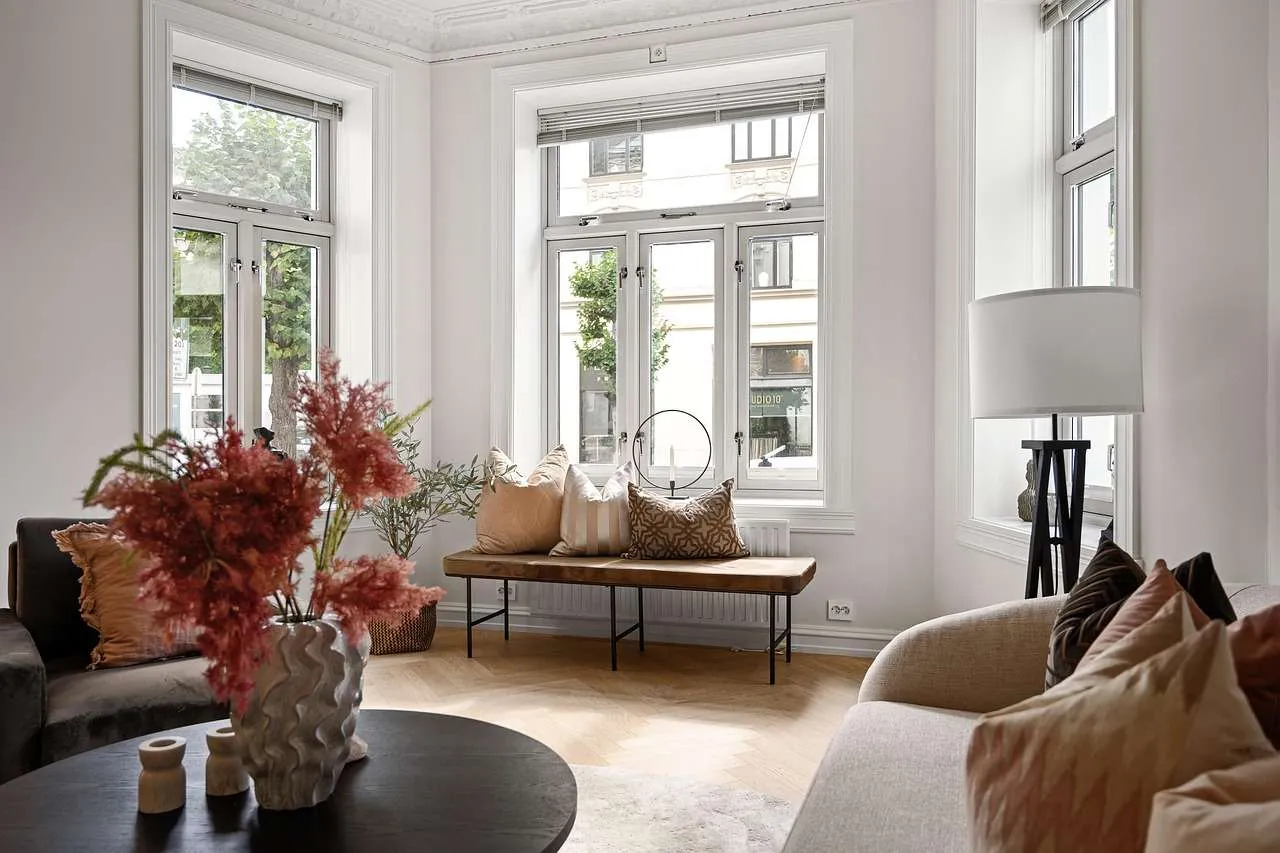
What is Home Window Tinting?
Home window tinting involves applying a thin film to residential windows to control sunlight, enhance privacy, and improve energy efficiency. This process has become increasingly popular among homeowners seeking to protect their interiors from UV damage, reduce cooling costs, and maintain a comfortable indoor environment.
Benefits of Home Window Tinting
There are several advantages to installing window films in your home, including:
- UV Protection: High-quality window tints block up to 99% of harmful UV rays, preventing fading of furniture, carpets, and flooring.
- Energy Efficiency: By reducing solar heat gain, window films lower cooling expenses and improve HVAC performance.
- Glare Reduction: Tinting minimizes glare from intense sunlight, making watching TV or working on a computer more comfortable.
- Privacy: Depending on the type of film, window tinting can provide daytime privacy without sacrificing natural light.
- Increased Safety: Some films reinforce window glass, holding shards together in case of breakage.
Types of Home Window Tinting Films
Choosing the right window film depends on your goals and budget. Common film types include:
- Solar Control Films: Designed primarily to reduce heat and glare.
- Security Films: Thicker films that add protection against break-ins and accidents.
- Decorative Films: Offer aesthetic enhancements with patterns or frosted effects for privacy.
- UV-Blocking Films: Focus on filtering out ultraviolet rays to protect interiors.
How to Choose the Best Home Window Tinting
Consider the following factors when selecting window films:
- Purpose: Determine if you want to prioritize energy savings, privacy, security, or aesthetics.
- Window Orientation: South and west-facing windows often benefit most from high-performance films.
- Local Climate: Warmer climates may emphasize heat reduction, while colder areas might require films that balance heat retention.
- Warranty and Quality: Choose reputable brands backed by manufacturer warranties and professional installation.
Professional Installation vs. DIY
While DIY window tinting kits are available, professional installation is recommended for optimal results:
| Aspect | Professional Installation | DIY Installation |
|---|---|---|
| Expertise | Experienced technicians ensure smooth, bubble-free application. | Learning curve; risk of poor finish or damage. |
| Tools & Equipment | Access to professional-grade tools and high-quality films. | Limited to consumer-grade products and tools. |
| Warranty | Usually includes installation and product warranty. | Warranty may be voided due to improper application. |
| Cost | Higher upfront cost but long-term durability. | Lower initial cost but potential need for reapplication. |
Maintaining Home Window Tinting
Proper maintenance extends the life and appearance of your window tint:
- Wait at least 30 days after installation before cleaning.
- Use a soft, non-abrasive cloth with mild soap and water.
- Avoid ammonia-based cleaners, which can damage the film.
Common Myths About Home Window Tinting
Addressing popular misconceptions helps homeowners make informed decisions:
- Myth: Window tinting always darkens the room significantly.
Fact: Modern films come in various transparency levels, preserving natural light. - Myth: All window films look reflective or mirrored.
Fact: Many films are clear or lightly tinted with low reflectivity. - Myth: Window tinting causes peeling or bubbling quickly.
Fact: Professional installation and quality films prevent these issues.
Summary
Home window tinting is an effective solution to improve energy efficiency, protect interiors from UV rays, enhance privacy, and increase safety. With multiple types of films available, homeowners can select options that match their specific needs and preferences. Professional installation ensures a high-quality, long-lasting finish, while proper maintenance preserves these benefits for years to come. Consider your climate, window orientation, and desired outcomes to make the best choice for your home.